Navigating an insurance claim after smoke damage can feel like decoding a foreign language, especially when you are also trying to make your home livable again. Malibu adds its own layer of complexity: coastal humidity, canyon winds, and varied construction details affect how smoke behaves and how a property should be restored. The right strategy blends technical restoration steps with careful documentation and steady communication. Done well, your claim moves forward with fewer surprises, and the work on the ground aligns cleanly with what the policy is prepared to support. Early contact with experienced smoke damage restoration professionals sets the tone, ensuring the initial assessment captures what matters and frames the conversation with your adjuster.
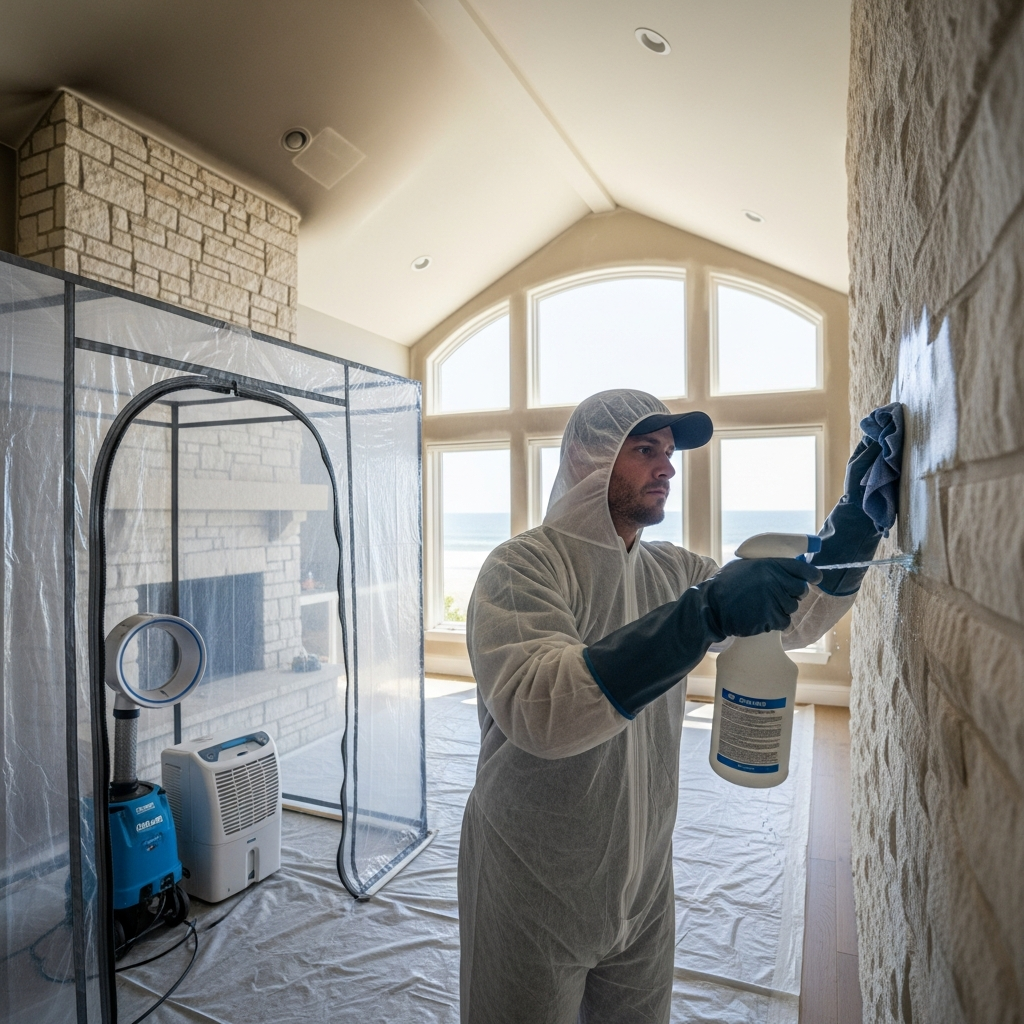
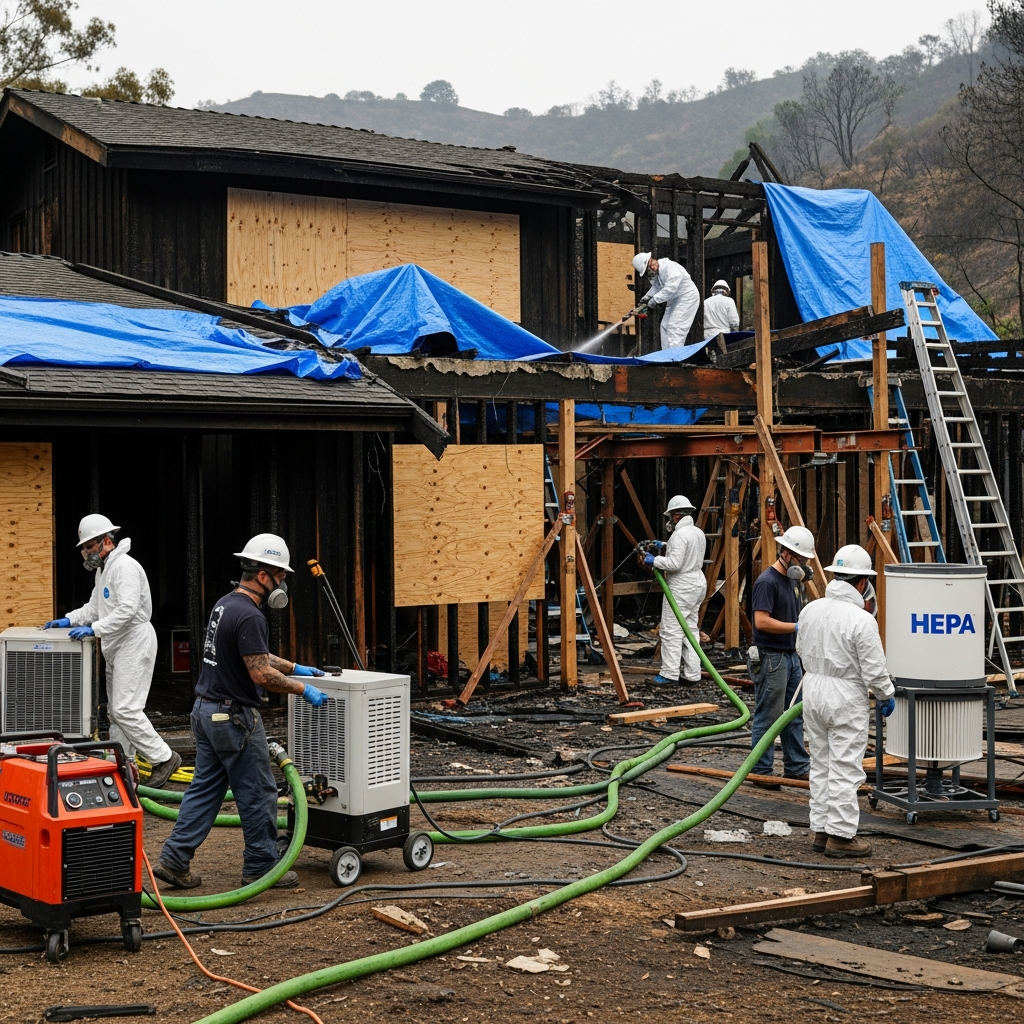
The first hours after a smoke event are about stabilization and clarity. Stabilization protects your property from secondary effects: air management, containment, and dry removal of loose residues stop the clock while decisions are made. Clarity comes from testing and careful observation—where smoke traveled, which surfaces and contents are affected, and whether the HVAC system collected residues. These details become the backbone of your claim because they show cause, extent, and the logic behind the recommended methods. In Malibu, that logic often includes references to humidity, marine air, and material sensitivity, all of which influence both scope and sequencing.
Documentation that tells the story
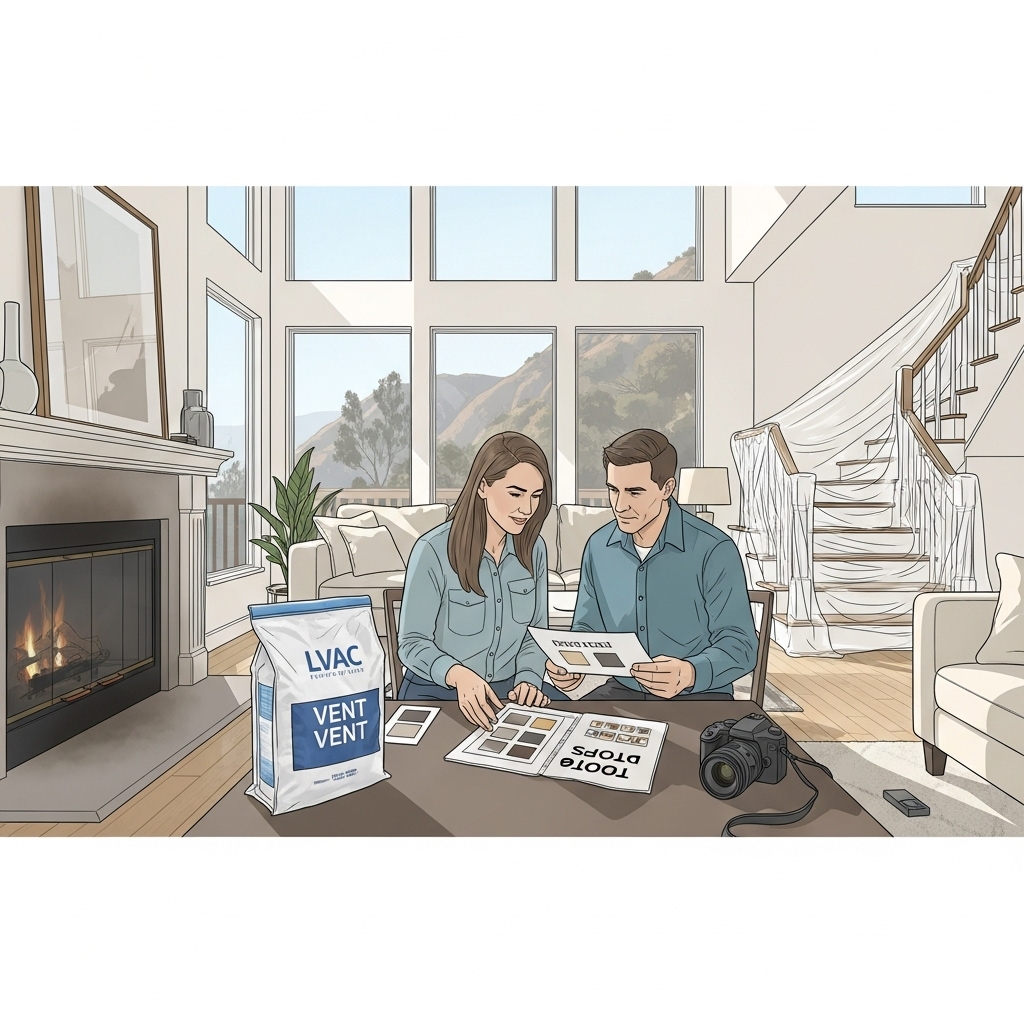
Insurance carriers respond to well-organized, fact-based claims. Start with thorough photo documentation, labeled by room and perspective. Add notes about odors, visible residue, and how conditions shift with weather—perhaps stronger in the mornings when moist air settles, or more noticeable in lower rooms after a cool night. Surface testing results, particle readings, and HVAC filter observations build the case that smoke impacts go beyond what you can see. A seasoned restoration team will produce this material as part of their assessment, translating technical findings into language that fits the claim process.
Contents inventory is equally important. Malibu homes often hold a blend of everyday items and cherished pieces. Create a clean inventory that distinguishes between items to be cleaned on-site, items moving to an off-site facility, and items slated for specialty evaluation. Note pre-existing conditions separately so they do not complicate the claim. Organized contents handling not only speeds approvals but also simplifies the return of belongings when the home is ready.
Working with adjusters: collaboration over confrontation
Adjusters are tasked with verifying that the proposed steps are necessary and aligned with the policy. Collaboration starts with a shared plan. Invite your restoration professional to meet on-site with the adjuster. Walk areas together, point out deposition patterns, and discuss the chemistry and techniques for each material. When a decision hinges on a particular finish—say, an unsealed limestone shower or raw ceiling beams—testing results and sample areas can make the path obvious. Clear, respectful conversation builds trust and often shortens approval cycles.
Expect questions about alternatives. Could a surface be sealed rather than cleaned further? Would controlled demolition expose hidden cavities for better access? Should certain textiles go to a specialist? Your team should be prepared with pros and cons, always anchored in the goal of returning the home to its pre-loss condition. When options are presented transparently, adjusters are more comfortable supporting the chosen path.
Policy language and local realities
Policies vary, but smoke is commonly treated as a covered peril. The nuance lies in definitions and limits. Malibu’s conditions enter the story here. Corrosion risk in a marine environment, for example, helps explain why prompt stabilization and specific protective steps are prudent. The presence of custom finishes influences the need for testing and careful chemistry selection. When the claim narrative connects these local realities to the proposed scope, decision-makers see the logic rather than just a list of tasks.
Another common question involves areas that look clean. Fine particles do not always leave visible traces, especially on darker or textured surfaces. Documentation of particle counts, HVAC filter loads, and odor patterns helps justify attention to spaces that might otherwise be overlooked. Remember that surface appearance is only part of the picture; odor and air quality are equally significant to restoring normal life.
Sequencing work so the claim flows
Restoration proceeds more smoothly when steps are sequenced in a way that makes sense for both the home and the claim. Stabilization first, then methodical source removal, then deodorization, and finally verification. Along the way, coordinate with any structural repairs. For example, it is often wise to complete heavy cleaning before final painting, but after any necessary demolition that opens hidden cavities. Communicate these dependencies to your adjuster so they understand why certain approvals are time-sensitive.
Contents handling is its own sequence. Stabilize textiles, sort items, move what needs specialty treatment, and document everything. Schedule opportunities for you and the adjuster to inspect cleaned items before they are returned. This prevents disputes later and ensures that everyone sees the same progress at the same time. Malibu projects often include outdoor areas as well; adding patios, balcony furniture, and exterior storage to the scope prevents re-contamination and supports a true return to normal.
Communication cadence and expectations
Weekly summaries, even brief ones, go a long way. They show what was done, what was learned, and what is next. They also flag decisions that require input so the claim does not stall. A dedicated project manager who knows both the fieldwork and the paperwork keeps the process from fragmenting. If the weather shifts—foggy mornings, dry winds—note how odors respond. These observations reinforce the need for the chosen methods and the thoroughness of the plan.
Homeowners sometimes worry that asking for thorough work will slow everything down. In practice, clarity speeds outcomes. When an adjuster sees a clear rationale, approvals come with less friction. When a homeowner understands the plan, decisions are made faster. When a restoration team communicates clearly, surprises are rare. All three parties benefit from a steady rhythm of information.
Malibu’s architecture and material sensitivity
Plaster, natural stone, raw or lightly sealed woods, and steel accents are common across Malibu. These materials can be sensitive to over-wetting, harsh chemistry, or abrasive methods. A claim that recognizes this sensitivity—and pairs it with test results and photos—sets a professional tone. It tells the carrier that the goal is not simply to clean, but to preserve the home’s character while restoring function and air quality. That distinction matters when decisions involve sealer application, gentle media cleaning, or specialty textile treatment.
HVAC systems deserve attention in both the plan and the claim narrative. If the system ran during the event, explain why filter replacement, coil cleaning, and duct inspection are prudent. Provide notes on odor intensifying when the fan runs—a common sign that residues are present. Coordinating with HVAC professionals and documenting their findings closes the loop and gives the adjuster confidence that the recommendation is grounded in evidence.
Frequently asked questions
Is smoke damage typically covered by homeowners insurance?
Smoke is often treated as a covered peril, but specifics depend on your policy. Coverage scope and limits vary, and documentation is crucial. Clear evidence of cause and extent, plus a methodical plan, supports approvals for the steps necessary to restore your home.
What should I document first?
Start with wide and close-up photos of each room, then note odors and visible residue. Capture HVAC filter condition, and keep a log of changes tied to weather or time of day. Your restoration team will add surface tests and readings that round out the picture.
How do I work effectively with my adjuster?
Invite collaboration. Walk the site together with your restoration professional, discuss testing and methods, and review alternatives. Provide clear, organized documentation. When everyone shares the same facts, decisions come faster and with fewer disputes.
Do I need to include outdoor areas in the claim?
Often yes. Patios, balcony furniture, and exterior storage can hold residues that re-enter the home. Including these spaces helps prevent re-contamination and supports a complete return to pre-loss conditions.
Can I live in the home while the claim is processed and work is underway?
Many projects proceed with families in part of the home, using containment and air management to protect clean zones. Your team will plan any steps that require vacancy and coordinate them with your schedule and the claim timeline.
How will I know when the job is truly finished?
Verification seals the result: odor checks in varying weather, particle measurements, and visual inspection under proper light. Documentation of these final readings becomes part of the claim file and your peace of mind.
If you are beginning a claim or midway through one and looking for steady guidance, align yourself with professionals who know Malibu and speak the language of both fieldwork and policy. A calm, organized approach will bring clarity and momentum to your case. When you are ready to chart a path from paperwork to a home that feels like itself again, consult trusted experts in smoke damage restoration who can coordinate the details and keep your claim moving.