Fire changes a home in ways that go far beyond what the eye can see. In Malibu, where hillside winds, marine fog, and custom finishes create a distinctive living environment, restoring a fire-impacted property calls for both technical depth and local savvy. I have stood on decks above the Pacific watching ash drift like a fine gray tide, and I have walked through quiet hallways where smoke settled into the fibers of rugs and the pores of plaster. The path back starts with safety and clarity, then moves through a series of deliberate steps that bring rooms, air, and belongings back into balance. From the first walkthrough to the final verification, choosing a team that understands smoke damage restoration within the broader arc of fire recovery can make the difference between a home that looks fine today and one that truly feels right weeks and months from now.
After a fire, even a contained one, priorities come in layers. Structural safety and utilities top the list. Once these are stabilized, attention turns to smoke and soot—because their reach extends far beyond the burn area. Malibu’s architecture often features open floor plans, clerestory windows, and concealed mechanical chases. These invite light and ocean breezes on good days, and on bad days they can carry smoke into rooms far from the source. A seasoned team knows how to follow those paths, identify where residues settled, and prevent cross-contamination as work begins.
Safety first, then stabilization
Safety walks are about more than exposed nails and slippery surfaces. They include air quality checks, electrical evaluation, and the condition of gas lines and appliances. Once safety is confirmed, stabilization aims to halt further change. That means controlling air movement, establishing containment, and initiating dry removal of loose particulate. In Malibu’s coastal climate, moisture management joins this list because humidity can amplify soot’s corrosive tendencies. Stabilization buys time for careful decisions—the opposite of rushing in with a single method that treats every surface the same.
Documentation begins immediately, too. Insurance carriers need a clear record of what was affected and why a specific approach is recommended. The best restoration professionals build thorough photo logs and surface test results, then translate those findings into a plan that is easy to follow. This planning step reassures homeowners and accelerates approvals, which is particularly helpful when coordinating multiple trades for structural repairs alongside smoke cleaning.
Source removal is the bedrock
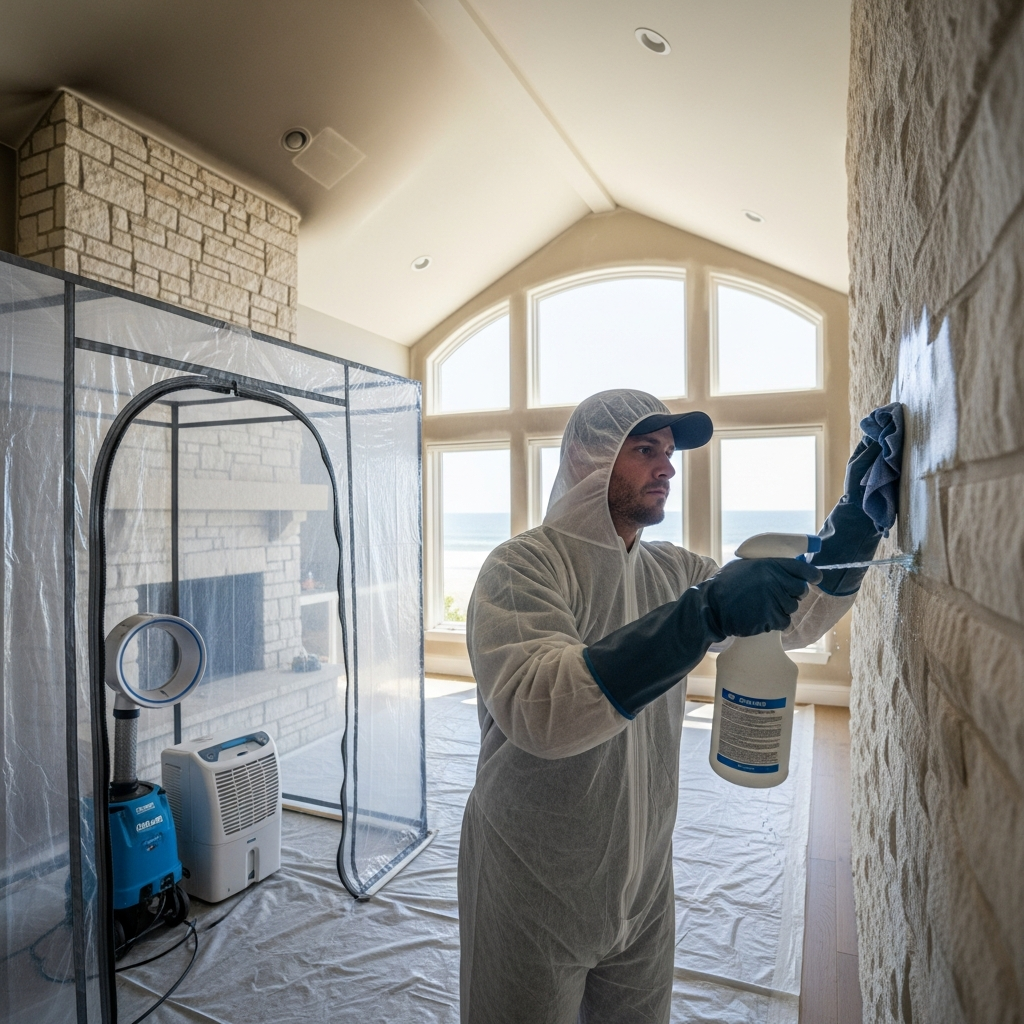
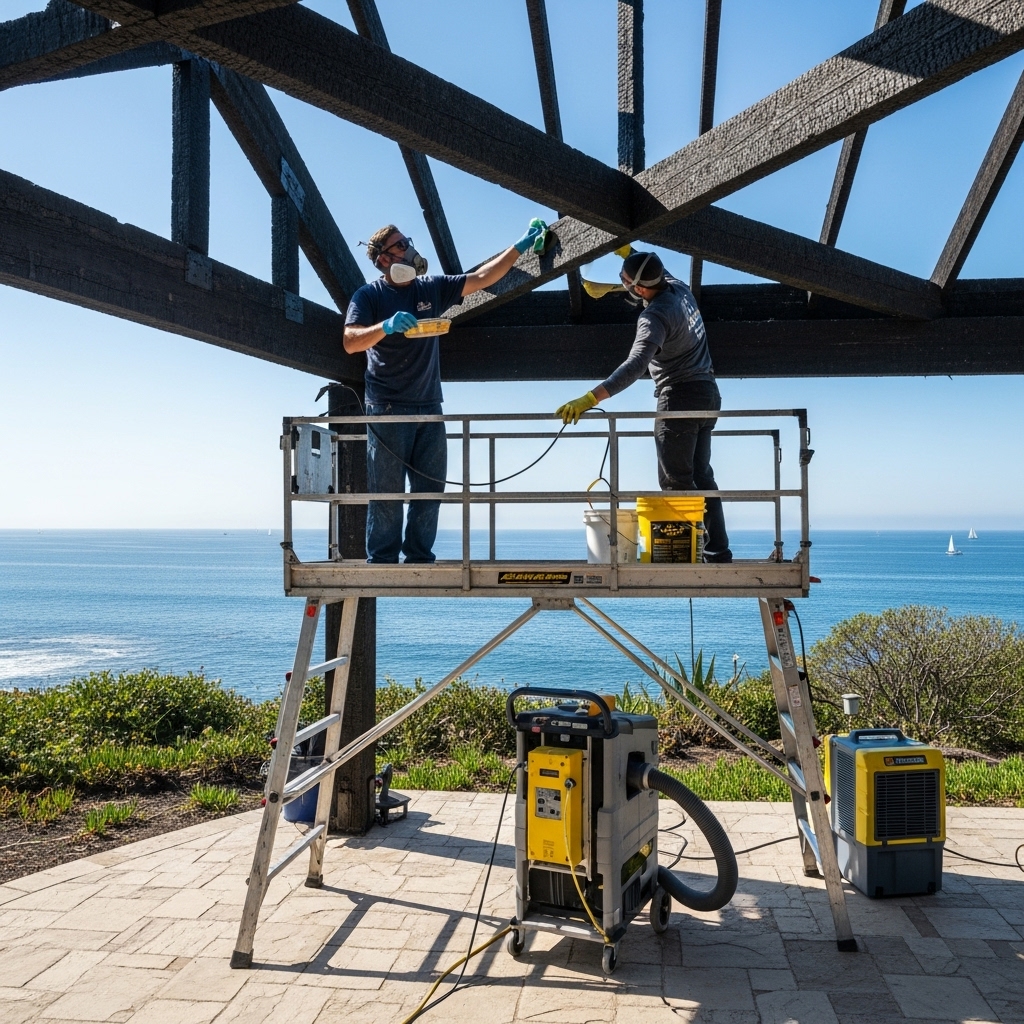
Effective fire and smoke restoration rests on one non-negotiable principle: remove as much residue as possible from as many surfaces as possible before moving to deodorization. It sounds simple, but it takes skill to do well. Dry soot on smooth surfaces may lift easily with the right media, while oily residues on painted walls require chemistry that breaks the bond without changing the sheen. Natural stone, common in Malibu bathrooms and patios, can trap smoke oils and call for patient poultice work. Wood beams, often left raw or lightly sealed for an organic look, need testing to determine whether cleaning alone will suffice or whether a sealer will be needed to lock in any remaining odor.
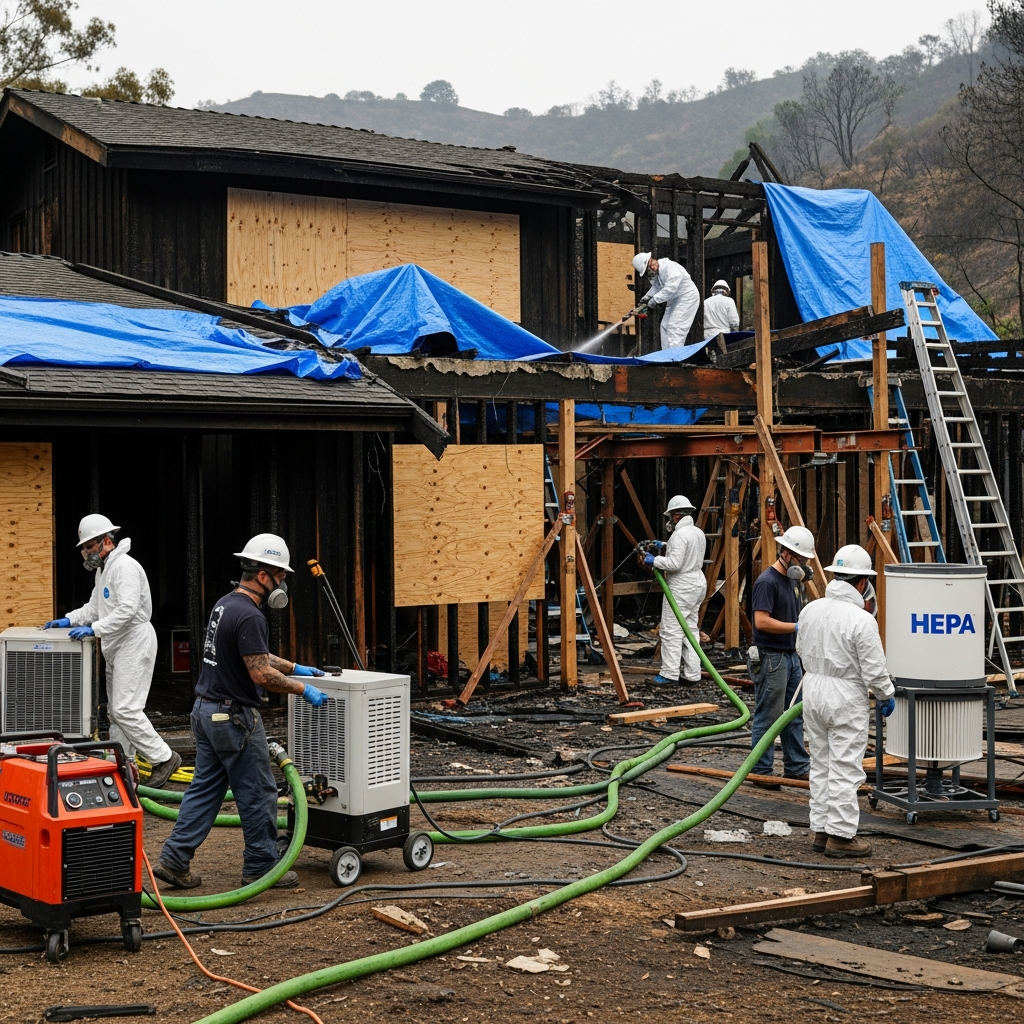
Containment and HEPA filtration run in the background, keeping clean areas clean. Technicians monitor negative and positive pressure zones, swap filters as they load, and line traffic paths to avoid tracking residue through the home. A disciplined crew moves like a tide line, advancing steadily and verifying as they go. The result is not just clean surfaces, but a building that is increasingly free of the microscopic particles that cause odor and irritation.
Deodorization that respects materials and occupancy
Once residues are physically removed, targeted deodorization neutralizes what remains in pores and fibers. The method depends on materials, timeline, and whether the home is occupied during work. Hydroxyl generators are often a good fit when families remain in place, while thermal fogging or ozone in sealed chambers can be appropriate for unoccupied spaces or contents treated off-site. The key is not to lean on deodorization as a shortcut, but to use it as a precise tool following thorough cleaning. This philosophy delivers results that last through foggy mornings and dry, windy afternoons—those shifting Malibu conditions that test whether a job was done right.
Electronics, art, and specialty installations deserve tailored attention. Soot can be conductive and mildly acidic; when coastal air adds moisture, the risk of corrosion rises. Coordinating with electronics restoration experts protects AV systems, networking gear, and appliances. Artworks—especially mixed-media pieces—benefit from assessment by conservators who can advise on safe cleaning. The best restoration teams weave these specialties into the larger plan rather than treating them as afterthoughts.
Contents and the rhythm of returning home
Belongings transform a house into a home, and treating them with care speeds emotional recovery after a fire. A smart contents plan starts with triage: what can be cleaned on-site, what should move to a controlled facility, and what needs specialty attention. Clothing and textiles are stabilized first to prevent particles from embedding during handling. Upholstery and rugs are evaluated for cleaning compatibility and odor treatment. Malibu homes often feature custom cabinetry and millwork; when contents are removed from these spaces, technicians clean inside cavities and along hidden ledges so that returning items do not re-contaminate cleared areas.
Communication defines the experience at this stage. Homeowners appreciate regular updates, photo records, and clear labeling that makes return and reassembly smooth. A well-run project includes mid-course reviews where you can inspect cleaned items and confirm priorities for the next phase. Those check-ins also prevent the common frustration of discovering, late in the process, that a beloved piece needs extra time or special treatment.
Malibu’s microclimate and why it matters
Local conditions shape results. Onshore breezes, morning marine layers, and hillside gusts all influence how smoke moves and how a home behaves during restoration. A property near the water may show more rapid metal tarnish and a faint, salty tack on residues. A canyon home may have smoke concentrated in lower levels or window wells after a night of cooling air flow. Knowing these patterns lets professionals anticipate where to test, where to open cavities, and how to run equipment for best effect. Even day-to-day adjustments—slightly different airflow strategies on a foggy morning versus a dry afternoon—come from this local sensibility.
Finishes matter, too. Malibu’s design palette often includes plaster walls that are sensitive to over-wetting, natural stone that needs gentle chemistry, and raw or lightly stained woods that can darken if the wrong cleaner is used. Experienced teams test in discreet areas and share expected outcomes with you before committing to a method across a room. They also save samples when sealers are applied so you can see and approve the final look. This respect for materials preserves the character of the home while resolving the aftereffects of fire.
Collaboration with insurers and trades
Fire recovery typically involves multiple threads: structural repairs, smoke cleaning, deodorization, and sometimes upgrades you might choose while work is underway. Alignment with insurance is crucial. Clear documentation—cause, extent, and method—supports approvals, while practical scheduling avoids conflicts between trades. For example, it is often wise to complete heavy cleaning and odor treatment before final paint or finishing carpentry, but after any demolition that exposes hidden surfaces. A project manager who sees the whole picture keeps momentum going and reduces the chance of rework.
Expect frank conversations about alternatives: cleaning versus sealing, repair versus replacement, sequencing that shortens your time away versus sequencing that keeps parts of the home livable. The right answers depend on your priorities, the property’s features, and the guidance of professionals who have worked through similar decisions in Malibu homes.
Verification: the quiet finale
The end of a fire and smoke project can be surprisingly calm. With the heavy lifting done, technicians turn to verification. They perform odor checks at different times of day, measure particles, and inspect under proper light. They revisit HVAC systems to install fresh filters and, when needed, coordinate duct inspections. They walk exterior spaces—outdoor kitchens, balcony seating, pool equipment housings—because ash that lingers outside can drift back in. Only when the home passes these tests does it truly feel restored, not just cleaned.
Homeowners sometimes ask whether the property will ever feel the same. In my experience, a thoughtful process anchored by source removal and guided by local understanding delivers not just a clean surface, but a reset to the entire indoor environment. The first morning you wake to ocean light without a hint of smoke reminds you that the house is once again a refuge.
Frequently asked questions
How soon should restoration begin after a fire?
As soon as it is safe. Early stabilization—air control, containment, and dry removal—prevents secondary effects and helps limit the overall scope. Prompt assessment also supports clear communication with your insurance carrier and speeds coordination with other trades.
Will deodorization alone remove the smoke smell?
Not reliably. Deodorization works best after thorough source removal. When residues are left in place, odor may fade briefly and then return, especially during Malibu’s damp mornings or hot, breezy afternoons. Effective results come from cleaning first and then applying targeted treatments.
What about my HVAC system?
If the system ran during the event, returns, coils, and duct interiors may hold residues. Professionals often replace filters multiple times, clean accessible sections, and adjust airflow strategies to prevent cross-contamination. This step protects both the equipment and the air you breathe.
Can we live in the home while work is underway?
Often yes, with careful planning. Teams create containment zones, manage airflow, and sequence rooms so that parts of the home remain comfortable. Certain odor treatments require vacancy, and your project manager will schedule those with your routine in mind.
How are delicate finishes and art handled?
With testing, consultation, and restraint. Restoration professionals partner with conservators and electronics specialists when needed, and they show you expected outcomes before applying a method broadly. The goal is to restore without altering the look that drew you to those materials in the first place.
How will I know the project is truly complete?
Verification closes the loop: clean readings, clear air under varying conditions, and a home that remains fresh through Malibu’s weather shifts. A final walkthrough explains what was done, the maintenance steps you can take, and what to watch for in the weeks ahead.
When you are ready to begin, choose a team that pairs technical know-how with local experience. Ask for a clear plan, steady communication, and a standard of care that respects your home’s character. If you would like guidance shaped by Malibu’s materials and climate, reach out to trusted experts in smoke damage restoration who can shepherd you from first steps to a home that feels whole again.