When smoke settles into a Malibu home, it rarely arrives politely or leaves quickly. Between ocean humidity, canyon winds, and the porous materials common in local architecture, residues and odors can weave themselves deeply into a property’s fabric. I have walked homes above Point Dume where ash drifted in through a skylight gap and found its way into closed closets, and I have seen beachfront townhomes where salty marine air accelerated the corrosion of smoke-affected metals in a matter of days. The best companies understand these Malibu-specific dynamics, and they respond with discipline, empathy, and technical precision. In the first hours after a wildfire event or an interior incident, your choices steer the entire recovery. That is why trusted smoke damage restoration partners focus first on stabilizing conditions and preventing additional loss before they even talk about cleaning methods.
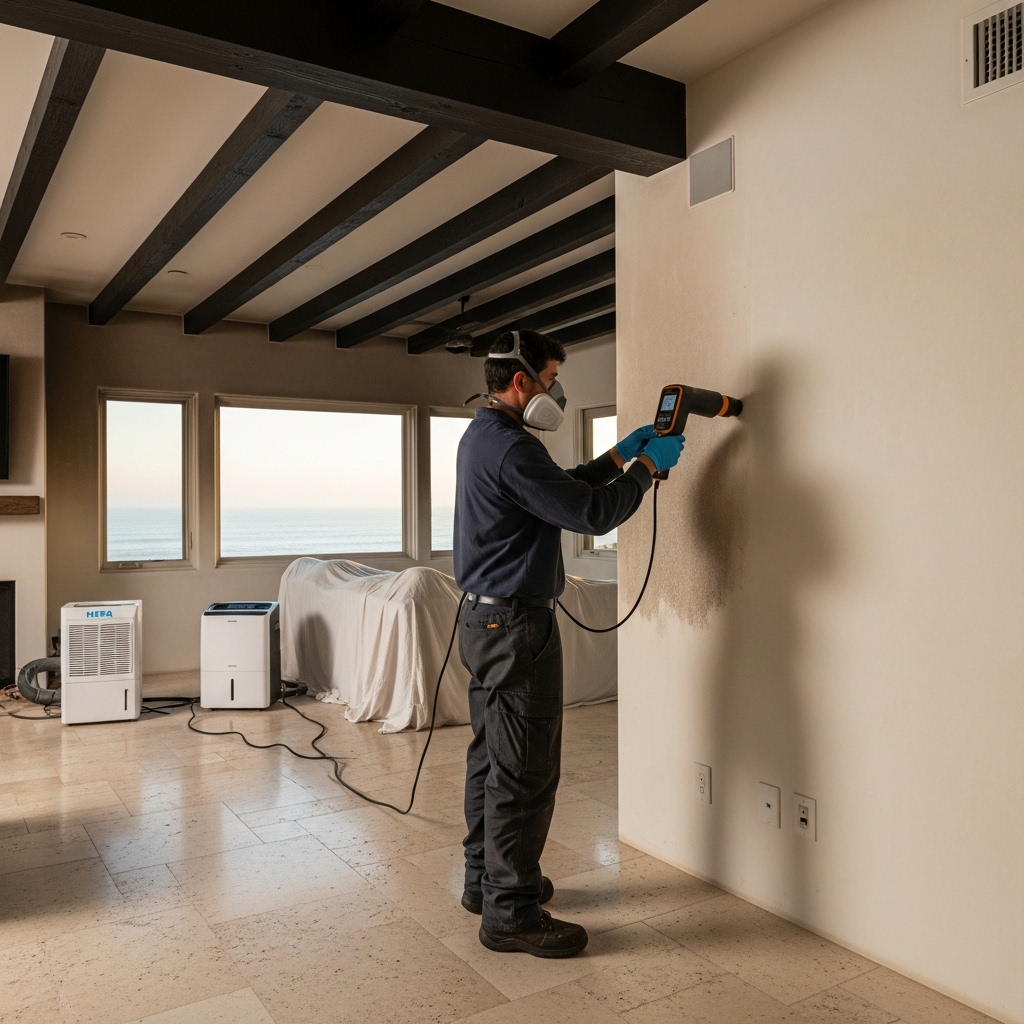
From Broad Beach to the eastern bluffs near Carbon, the homes here are a study in variety: plaster over lathe, exposed beams, raw steel, live-edge furniture, stone finishes that range from slate to travertine, and curated wardrobes tucked into well-appointed dressing rooms. Each material responds differently to soot, which itself varies by fire fuel and temperature. The best restoration teams read this complexity quickly. They take air and surface readings, identify acidic residues versus oily soot, and develop a room-by-room plan that accounts for ventilation pathways, HVAC behavior during the event, and how the property’s location in Malibu influenced the smoke’s intrusion. Doing so prevents well-intentioned mistakes—like over-wetting soot on matte walls or scrubbing a limestone backsplash—that can lock in stains or spread residues.
What the top Malibu companies do differently
Quality in smoke restoration shows up first in the assessment. A top-tier team arrives with calibrated meters, particle counters, and the patience to listen to the homeowner’s observations. They trace smoke migration: where air was drawn under doors, how negative pressure pulled ash through recessed lights, or why the lower level smells stronger on a damp morning. The Malibu microclimate matters. Onshore flow tends to keep humidity elevated, and that extra moisture can intensify the corrosive impact of soot on metals or create tackiness on residues that a dry day would not. The best companies schedule dehumidification and airflow management immediately so the property stops changing while decisions are made.
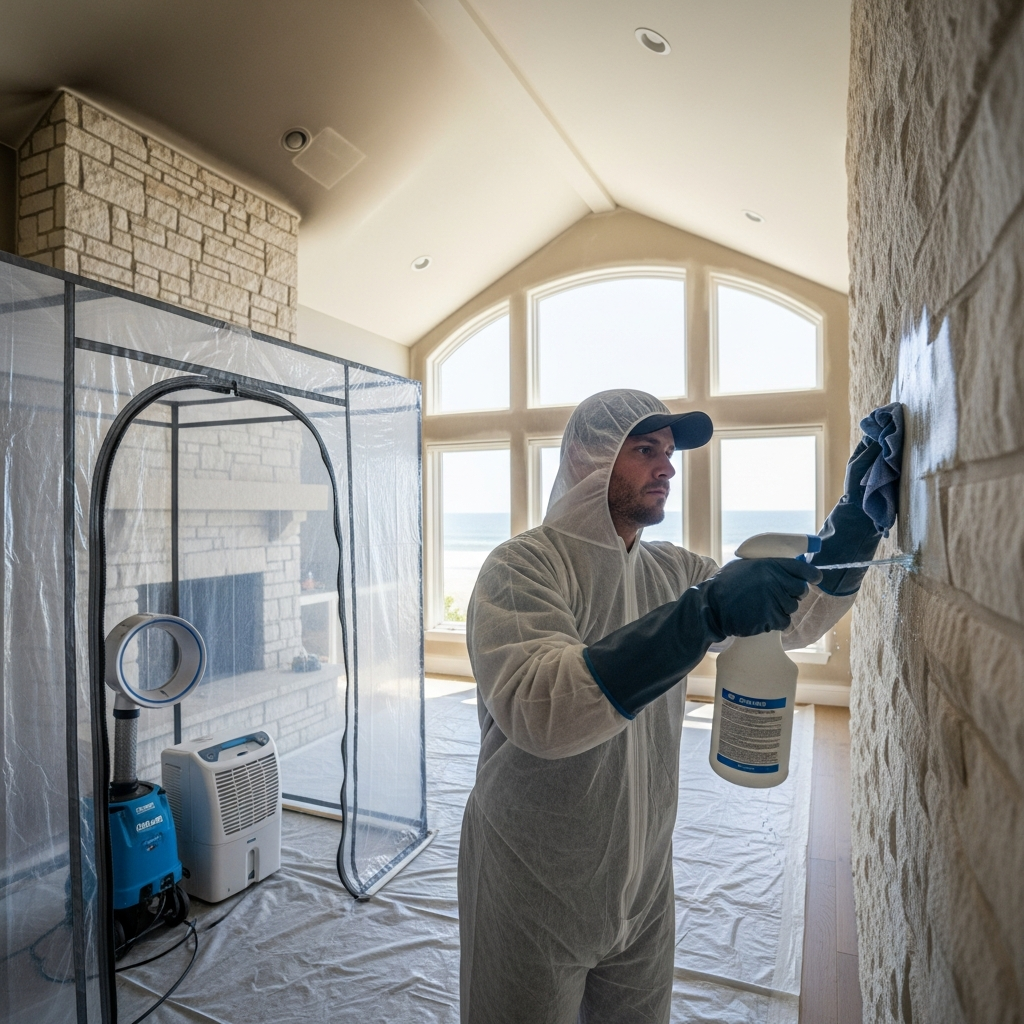
Next, leading firms know finishes. They test before they treat. If a built-in walnut cabinet has absorbed odor, they determine whether surface cleaning, vapor-phase odor treatment, and sealers will suffice—or whether gentle media blasting inside a concealed cavity is smarter. On painted walls, they select chemistry that dislodges soot without burnishing or causing sheen changes. On fabrics, they stabilize textiles so particles are not ground in during handling, and they coordinate with specialty cleaners who can address couture garments and delicate draperies. Malibu homes often feature artisan tile, reclaimed woods, and accent metals; a careless hand can etch or tarnish these in a moment. The best companies train relentlessly to avoid that.
Experienced teams also understand documentation. Insurance carriers want clarity: what was affected, what was tested, and why a certain protocol was chosen. When you work with a company that builds methodical photo logs, maintains chain-of-custody for specialized cleaning, and writes reports in plain language, claims move faster and with fewer disputes. This diligence helps you return home sooner and with confidence that what you cannot see has been addressed.
The technical backbone: containment, cleaning, and deodorization
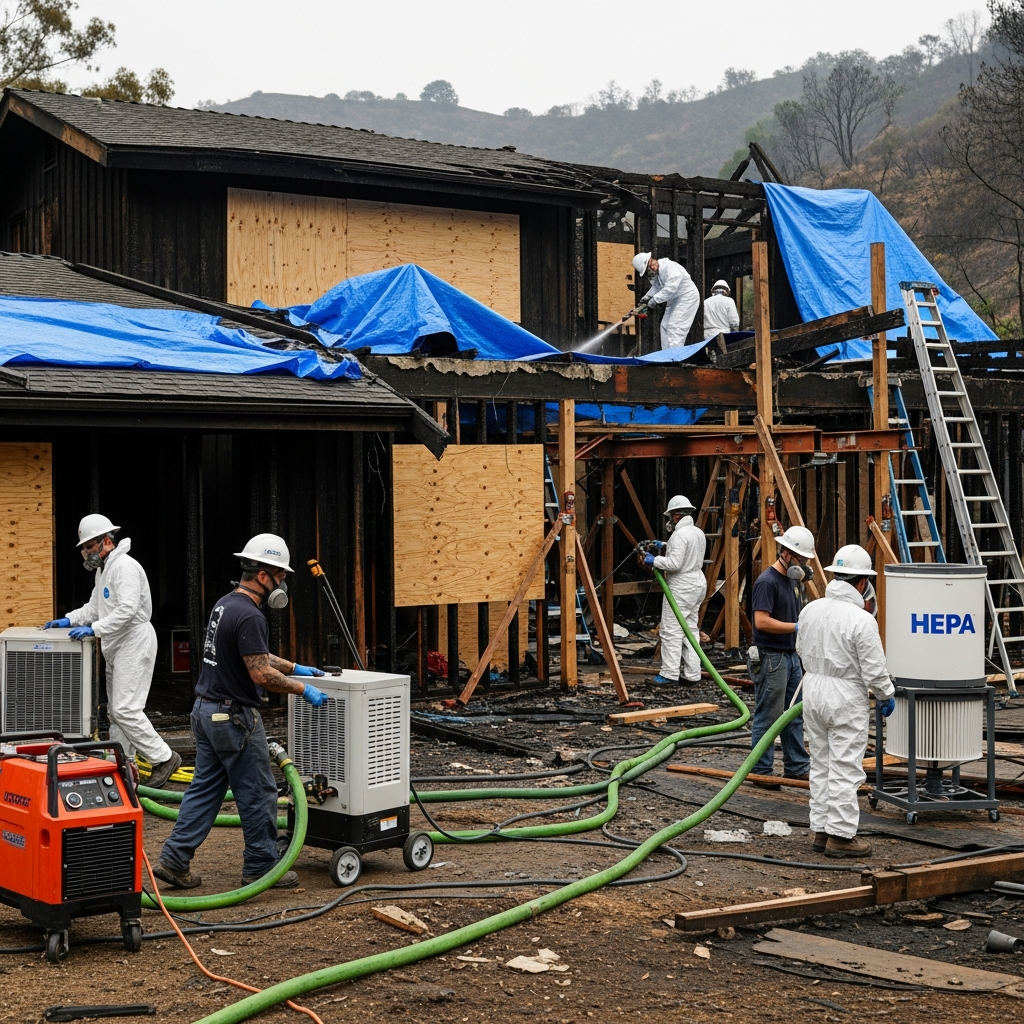
Containment is the quiet hero. The moment doors open for assessment, professionals consider pressure, pathways, and protection. They create zones so that particles in a work area do not drift into cleaned spaces. They install HEPA-filtered air scrubbers to capture fine particulate, and they replace loaded filters instead of letting machines run inefficiently. Source removal—the physical extraction of soot from surfaces—comes before deodorization. It sounds simple, but shortcuts here are why some homes still smell smoky months later. If a company proposes only “fogging the house,” keep asking questions. Proper smoke restoration is more deliberate: mechanical cleaning, careful chemistry, and then targeted odor treatments that neutralize what you cannot reach.
For Malibu properties, odor control often involves a mix of technologies, chosen to suit the materials and occupancy timeline. Hydroxyl generators can be useful when people or pets remain in the home, while thermal fogging or sealed-chamber ozone treatments may be selected for unoccupied areas or contents kept off-site. The key is an experienced hand that avoids overuse and documents why a method is appropriate for a given space. In the middle of the project, the best teams will re-test and adjust, a practice that is as much about science as it is about accountability.
In the midst of all this, homeowners appreciate clear communication. A reliable firm in Malibu will brief you daily, not only with what was done but why it matters. They will discuss which closet shelves were cleaned and lined, whether the cooktop hood’s ducting required degreasing, and how they protected a gallery wall without removing each frame. This steady cadence reduces anxiety and keeps everyone aligned on the finish line: a home that looks and feels like itself again. If you are comparing companies, ask how they handle updates and whether a dedicated project manager will be your single point of contact.
Malibu-specific considerations that shape the work
Homes perched along canyons such as Latigo, Corral, and Malibu Canyon face strong episodic winds. During wildfire events, embers and fine ash can ride those winds and enter through vents, door thresholds, window weeps, and even the smallest weatherstripping gaps. The best firms understand that smoke migration in a hillside home can be counterintuitive, with pockets settling in lower-level storage rooms or wine cellars where cooler air drew particles. On shoreline properties, salt air can interact with residues and accelerate oxidation on fixtures and electronics. That is why a thorough company will inspect behind switch plates, inside outlet boxes, and within AV cabinets, cleaning connections and advising where specialized electronics decontamination is prudent.
HVAC systems deserve special attention. When a system cycled during a smoke event, residues can lodge in returns, coils, and ductwork. Top companies coordinate with HVAC specialists to open and clean accessible sections, replace filters multiple times during the project, and rebalance airflow. Beyond the system, they often establish temporary positive pressure in cleaned zones so that fine particles cannot drift back in through the inevitable open-and-close rhythm of a working restoration site. These are quiet, unglamorous steps, but they separate a good experience from a frustrating one.
Another Malibu reality is material palette. Stucco exteriors and plaster interiors are forgiving in some ways but demand careful selection of cleaning agents. Natural stone, common in bathrooms and on patios, can absorb oily soot that a basic detergent will not lift; it takes poultices and time. Teak and other oiled woods respond differently than varnished oak or lacquered cabinetry. A seasoned crew tests each, discusses options with you, and keeps samples when a sealer is used so you understand the finish outcome before a whole room is treated. Midway through these decisions, homeowners often ask whether a different company would be faster. The truth is that speed and thoroughness can align if the plan is smart and supervision is consistent; a rushed job typically revisits itself later.
As projects reach their mid-point, the best teams verify progress. They return to high-touch areas like stair rails, kitchen islands, and closet rods to check for re-deposition. They schedule content reviews with you so that items placed in a contents facility or sealed clean room are inspected before final delivery. And they walk exterior spaces—outdoor kitchens, balcony furniture, pool equipment cabinets—because Malibu life flows between inside and out, and smoke seldom respects thresholds. During this stage, I often recommend that homeowners review expectations for sensitive items so nothing is rushed. It is also a good time to revisit your understanding of smoke damage restoration techniques and confirm which rooms are cleared for normal living ahead of final sign-off.
How to evaluate a provider without making a spreadsheet
Start with presence, not promises. A reputable Malibu company shows up on time, walks slowly, and asks thoughtful questions about how the home was operating when smoke arrived. They are as interested in your HVAC schedule and window positions as they are in the visible soot on a mantle. They do not try to sell you on a single magic method; instead, they lay out a sequence of steps and contingency plans. If they have worked locally, they will speak without drama about canyon winds, foggy mornings, and that faint smell that lingers in a cedar closet if you close it too soon. This lived knowledge matters more than curated marketing photos.
Ask about training and certification, but also about mentorship. Great companies pair new technicians with veterans who can recognize the difference between dry soot that lifts easily and sticky residues that require emulsification. They invest in equipment that is maintained, not just owned. Look for HEPA filtration rated appropriately for the space, new gaskets on negative-air machines, and dehumidifiers set to sensible targets rather than left to run indefinitely. Most of this you will not see unless you ask, which is why conversations at the outset are vital.
Finally, consider how the company respects your routines. In Malibu, many homes serve as family hubs and creative workplaces. The best providers minimize disruption by sequencing zones intelligently. They protect privacy and treat belongings with care, labeling and photographing as they go. When the last day arrives, they conduct a calm final walkthrough with you, explaining what was done and what to watch for in the coming weeks as your home re-balances. That steady professionalism is the real mark of a top-tier firm.
Frequently asked questions
How quickly should I bring in a professional after smoke exposure?
Sooner is better. Soot can be acidic and, combined with Malibu’s humidity, may begin to affect metals and finishes within days. Early actions focus on stabilization—air control, dry removal of loose particulate, and protecting vulnerable materials—so that cleaning and odor work are more effective later. A prompt assessment also clarifies the scope for your insurance carrier.
Why does my home still smell smoky even after basic cleaning?
Odor lingers when residues remain in hidden places or porous materials. Common culprits include insulation, cavity spaces behind cabinets, and fabrics that were handled before particles were stabilized. Effective deodorization follows thorough source removal and may require targeted treatments. In Malibu, moisture swings can make odors seem worse on some days, which is another reason professionals balance indoor climate during restoration.
Is it safe to stay in the home during restoration?
It depends on the scope and the methods used. Some deodorization tools are suitable for occupied spaces, while others require vacancy. Reputable companies will explain options and, when necessary, help you plan temporary accommodations on a zone-by-zone basis. Many Malibu projects proceed with families living in unaffected portions while work continues elsewhere under containment.
Do I need my HVAC ducts cleaned?
If your system ran during the smoke event or odors intensify when the fan operates, a targeted cleaning and filter replacement plan is wise. Professionals often collaborate with HVAC specialists to access key areas and ensure residues are removed rather than redistributed. They may also adjust airflow strategies during the project to prevent cross-contamination.
Can I handle smoke cleanup myself?
Light surface dusting in limited areas is reasonable, but full smoke restoration is more technical than it appears. Using the wrong cleaning agent or method can set stains, and missing hidden reservoirs of residue leads to recurring odors. Consider a professional assessment at minimum so you know what you are facing and which tasks are safe to tackle.
How long does a smoke restoration project take?
Timeline varies with size, materials, and severity. Homes with complex finishes or extensive contents typically require more time to treat properly. The best companies sequence work to open clean areas as soon as possible, even as specialized treatments continue elsewhere. Clear scheduling and regular updates keep expectations aligned.
Will cleaning change the look of my finishes?
It should not if the right methods are used, but fragile or already-compromised surfaces may need refinishing. Professionals test first, show you expected outcomes, and save samples when sealers or coatings are used. The goal is always preservation of the original aesthetic whenever feasible.
What about outdoor spaces and vehicles?
Patios, outdoor kitchens, and furniture often collect residues that can transfer back inside. It is smart to include these in the scope, along with grills, railings, and storage cabinets. Vehicles in garages or carports may also need attention, especially air filters and soft interiors. A comprehensive plan prevents re-contamination after the house is cleared.
When your home has been touched by smoke, the best help feels calm, capable, and local. If you are weighing options or simply want a clear plan, reach out to a trusted team that understands Malibu’s rhythms and materials. Start the conversation today and take the first step toward a home that feels like home again. For guidance tailored to your property and timeline, connect with specialists in smoke damage restoration who will treat your space with the care it deserves.